Category Archives: حقوق سرمایه‌گذاری خارجی

  • ۰

بررسی حقوق طرفین قرارداد تأمین مالی پروژه‌محور در اجرای شرط بهای فسخ پروژه به دلیل تقصیر سرمایه‌گذار: با امعان نظر به مدل قرارداد مشارکت در تولید قطر، (1403)، پژوهش حقوق خصوصی، دانشگاه علامه طباطبایی

نویسندگان

1 دانشجوی دکتری حقوق نفت و گاز، دانشکده حقوق دانشگاه شهید بهشتی، تهران، ایران

2 استاد دانشکدۀ حقوق، دانشگاه شهید بهشتی، تهران، ایران

https://doi.org/10.22054/jplr.2025.60516.2562

چکیده

سرمایه‌گذار و وام‌دهنده به‌عنوان طرفین قرارداد تأمین مالی پروژه‌محور، برای بازیافت مطالبات خود به درآمدهای آتی پروژۀ موضوع قرارداد متکی هستند. به همین سبب فسخ قرارداد پروژه به دلیل تقصیر سرمایه‌گذار یکی از بزرگ‌ترین خطرهایی است که می‌تواند زیان مالی هنگفتی را به آ‌ن‌ها وارد سازد. به‌منظور کاهش این خطر، شرط بهای فسخ پروژه تا حدی بازگشت سرمایه و بازپرداخت مطالبات وام را در فرض فسخ قرارداد ممکن می‌کند. اگر این شرط به‌نحوی تنظیم شود که باعث تحصیل سود بیش از استحقاق هریک از طرفین قرارداد شود، التزام آ‌ن‌ها را به اجرای کامل قرارداد کاهش می‌دهد. تحقق این هدف در قراردادهای صنعت نفت و گاز با‌توجه‌به تضاد میان حقوق حاکمیتی دولت میزبان و نیاز به تشویق سرمایه‌گذاری در پروژه‌های انرژی دشوارتر به‌نظر می‌رسد. مهم‌ترین عامل در مدیریت ریسک فسخ قرارداد و اجرای شرط بهای فسخ پروژه تعیین روش محاسبه این مبلغ در قرارداد است. استفاده از سه روش محاسبۀ بدهی‌محور، محاسبۀ ارزش بازار و محاسبۀ ارزش دفاتر در قراردادهای مشمول تأمین مالی پروژه‌محور معمول است. با‌توجه‌به ویژگی‌های منحصر‌به‌فرد شبکۀ قراردادی هر پروژه، تعیین هر‌یک از این روش‌ها و یا ترکیبی از آ‌ن‌ها باید با‌توجه‌به اقتضائات خاصّ هر پروژه انجام شود تا امکان تشویق سرمایه‌گذار و وام‌دهنده و کسب منافع بیشتر سرمایه‌پذیر فراهم گردد.

کلیدواژه‌ها

موضوعات

عنوان مقاله [English]

Examination of the project finance parties’ interests in case of early termination payment due to sponsor default: with a case study of Qatar product sharing agreement

نویسندگان [English]

  • Farhang Ganjedanesh 1
  • mehrab darabpour 2

1 Ph.D. Candidate, Oil and Gas Law, Faculty of Law, Shahid Beheshti University, Tehran, Iran,

2 Professor of Law, Faculty of Law, Shahid Beheshti University, Tehran, Iran,

چکیده [English]

In project finance agreements, the investor, the contracting authority, and the lender all rely on the project’s future revenues to achieve their economic objectives. This means that one of the greatest risks in such projects is the termination of the contract before the contractual objectives are met and the execution period ends. In fact, in project finance agreements, investors and lenders do not have the right to seek recourse from the contracting authority to recover the financial resources spent on the project. Furthermore, either the project’s assets are insufficient to recover their large-scale economic investments, or they belong to the contracting authority, preventing investors and lenders from claiming them to satisfy their demands. In this context, a contractual clause known as the “termination payment” is included in project finance contracts as a key risk management tool for premature contract termination. This clause applies in all three scenarios of contract dissolution: due to the contracting authority’s fault, the investor’s fault, or reasons beyond the control of both parties. This study focuses on describing and analyzing termination payments in cases where the investor is at fault, allowing the lender and investor to recover a specified portion of the financial resources spent on the project. Analyzing this contractual provision is significant because, under general contract principles, a breaching party is not entitled to claim damages resulting from its own fault. However, the termination payment clause provides the breaching party and its lender with a mechanism to compensate for losses in various ways. Given the exceptional nature of this clause within contract law, it is essential first to examine the underlying reasons for its inclusion in project finance agreements. The payment of a termination fee in cases of investor fault, while preserving the contracting authority’s right to termination, enables the investor and lender to recover some of their financial resources. In essence, this clause serves as a crucial mechanism for balancing the contractual and sovereign rights of the contracting authority with ensuring the repayment of costs incurred by investors and lenders, making it a vital tool for project risk management. Without such a clause, securing necessary funding from financial markets becomes extremely difficult or even impossible, or the cost of obtaining financial resources increases to the point where the project loses its economic viability. Following the justification for the termination payment clause, this study examines how the clause is structured and how the termination fee amount is calculated. A key concern for the investor, the contracting authority, and the lender is selecting the appropriate method for calculating the termination fee. This choice is critical for risk management and for protecting the interests of all three parties involved in the project finance agreement. On one hand, selecting an appropriate calculation method incentivizes the parties to avoid termination and complete the project. On the other hand, an unsuitable method could encourage parties to exploit termination opportunities for excessive and windfall profits rather than making efforts to execute or rectify the project. The three main methods for calculating the project termination fee in project finance agreements are the debt-based compensation method, the market value method, and the book value method. There is no universal rule for determining the most suitable calculation method for any project. Just as the provisions of project agreements and financing contracts vary based on each project’s unique characteristics, the termination payment clause must also be tailored to the specific contractual framework of each project. However, fundamental principles can be established for properly structuring this clause. The method for determining the project termination fee should consider the stage at which the contract is terminated. The further the project has progressed, the greater the investor’s and lender’s entitlement to receive a termination fee. Another key consideration is protecting the lender’s rights, especially since the lender typically plays no role in causing the termination. Additionally, the termination payment clause should be structured to reinforce the parties’ commitment to continuing contract execution. If the chosen calculation method provides excessive profits to any party upon contract termination, it may incentivize termination and reduce their focus on project completion. Finally, this study specifically examines the application of the termination payment clause in oil and gas contracts. Managing this issue in the oil and gas industry is particularly complex due to the tension between the host government’s sovereign rights and the need to incentivize investment in energy projects. On one hand, the host government’s sovereignty requires full recognition of its ownership rights over energy resources. If a contract is terminated due to investor fault, no claims over the host government’s oil and gas assets or future revenues should be accepted. On the other hand, given the significant capital investments required in the oil and gas sector, ensuring adequate returns for investors and their lenders is a crucial factor in attracting investment. Without this assurance, securing the necessary investment in these industries becomes impossible. To explore these challenges, this study includes a case analysis of Qatar’s Dolphin Gas Project, focusing on its gas extraction, sales, and transportation contracts. The findings indicate that in each category of upstream, midstream, and downstream contracts within the Dolphin Project, the management of termination risk due to investor fault follows distinct legal frameworks. These frameworks aim to strike a balance between the sovereign rights of the host government and the financial interests of investors and lenders.

کلیدواژه‌ها [English]

  • project finance
  • project risk management
  • termination payment
  • sponsor default
  • compensation calculation method
  • oil and gas projects
 مراجع


    • ۰

    امکان اعمال استاندارد های حمایتی در سرمایه گذاری های پورتفولیو, (1403)، پژوهش های حقوق اقتصادی و تجاری، دانشگاه شهید بهشتی

    نویسندگان

    1 استاد حقوق تجارت بین الملل دانشگاه شهید بهشتی

    2 دانشجوی دکتری حقوق نفت و گازش دانشگاه شهید بهشتی تهران

    چکیده

    حمایت از سرمایه گذاری خارجی ابزاری سودمند برای سرمایه گذاران خارجی و دولت میزبان می باشد. حمایت قوی از سرمایه گذار خارجی موجب جلب سرمایه گذاران بیشتر و در نتیجه رشد و توسعه اقتصادی کشور میزبان می شود و سرمایه گذار خارجی نیز با افزایش سرمایه خود به سود بیشتری دست می یابد. استاندارد های حمایتی از سرمایه گذاری خارجی به عنوان مستمسکی برای سرمایه گذار خارجی محسوب می شود که در صورت نقض آنها توسط دولت میزبان، سرمایه گذار خارجی می تواند به موجب ‌آن اقدام به مطالبه غرامت نمایند. در سرمایه گذاری پورتفولیو، با توجه تفاوت این نوع سرمایه گذاری با سرمایه گذاری مستقیم خارجی، حمایت های به این نوع از سرمایه گذاری را می طلبد و یک دسته از استاندارد های حمایتی که در سرمایه گذاری مستقیم و با توجه به ویژگی های این نوع سرمایه گذاری وجود دارد، نظیر استاندارد حمایت و امنیت کامل، در سرمایه گذاری های پورتفولیو قابل اعمال نمی باشد. پس می بایست در خصوص اینگونه سرمایه گذاری ها استاندارد هایی را اعمال نمود که مفید فایده و کارآمد باشد. برخی از این استاندارد های مخصوص را باید در این مقاله جستجو کرد. در نظام حقوقی ایران، آیین نامه اجرای سرمایه گذاری خارجی در بورس و بازار های خارج بورس به نحو مختصری به حمایت از سرمایه گذار پورتفولیو پرداخته است که حمایت کافی را از سرمایه گذار خارجی فراهم نمی آورد.

    کلیدواژه‌ها

    عنوان مقاله [English]

    The Possibility of Applying Protecting Standards in Portfolio Investments

    نویسندگان [English]

    • Mehrab Darab pour 1
    • Seyed Mohammad Mahdi Mousavi Abdol Abadi 2

    1 Department of International Commercial Law, Faculty of Law and Political Science, University of Shahid Beheshti, Tehran, Iran.

    2 Ph.D Candidate in oil and gas law at SBU

    چکیده [English]

    Protection of foreign investment is a useful instrument for foreign investors and host states. Strong protection for foreign investor attracts more investors and causes economic growth and development of host state and foreign investor gains more profit by increasing his capital. Foreign investment protection standards are considered as a requirement for the foreign investor to claim compensation in case of violation by the host state. In portfolio investment, according to the differences between this type of investment and foreign direct investment, special protections are required because a collection of protective standards applying in direct investment including full protection and security standard are not applicable in portfolio investment due to its specific characteristics. Therefore, it is necessary to apply standards which are useful and efficient. Some of these specific standards are mentioned in this Article. In Iran’s legal system, the Executive Directive of Foreign Investment in Stock Exchange and OTCs addresses the protection of portfolio investor in brief, which does not provide sufficient protection for foreign investor.

    کلیدواژه‌ها [English]

    • Foreign Investment
    • Portfolio Investment
    • Protection of Foreign Investment
    • Protective Standards
    • Securities
     مراجع

    • ۰
    فصلنامه مطالعات حقوق عمومی دانشگاه تهران

    مسئولیت حقوقی نهاد های تنظیم گر اقتصادی، (1404) فصلنامه مطالعات حقوق عمومی دانشگاه تهران

    نوع مقاله : علمی-پژوهشی

    نویسندگان

    1 دانشجوی دکتری حقوق نفت و گاز، دانشکده حقوق، دانشگاه شهید بهشتی، تهران، ایران

    2 استاد، گروه حقوق، دانشکده حقوق، دانشگاه شهید بهشتی، تهران، ایران

    https://doi.org/10.22059/jplsq.2024.354303.3257

    چکیده

    تنظیم‌گری در حکمرانی مدرن، ذیل پدیده‌های نوظهور چالش‌برانگیز قرار دارد و خلأهای شایان توجهی بر اصول آن جاری است. با گذار از تفکر دولت بزرگ و دولت کوچک، شیوه حکمرانی جدیدی تحت عنوان دولت تنظیم‌گر مطرح شد. در این پارادایم، نهادهای تنظیم‌گر با آماج نیل به منفعت عمومی برپا شده و با ابزارهای مستدرک در قانون، آغاز به مقررات‌گذاری، نظارت و تنظیم امور کرده‌اند. بدین‌سبب تنظیم‌شوندگان «اشخاص موضوع تنظیم‌گری» بلاواسطه و دولت و مردم به‌صورت غیرمستقیم تحت تأثیر تصمیمات نهادهای تنظیم‌گر قرار می‌گیرند. حال، پرسش پژوهش آن است که چنانچه نهادهای تنظیم‌گر، به‌سبب رعایت نکردن وظایف قانونی خود، مسبب ضرر به اشخاص مرتبط و متأثر خود شوند، آیا می‌توان مسئولیت حقوقی برایشان قائل شد یا آنکه به‌دلیل ماهیت اعمال حاکمیتشان در امور از مسئولیت مبرا هستند؟ دلایل، یافته‌ها و مستندات مطروحه در پژوهش حاضر حاکی از آن است که باید چنین مسئولیتی برای نهادهای تنظیم‌گر وجود داشته باشد و آنها را ملزم به جبران خسارت کند. راهکارهای جبران خسارت ناشی از اقدامات این‌گونه نهادهای تنظیم‌گر را نیز می‌توان در این مقاله شاهد بود.

    کلیدواژه‌ها

    موضوعات

    عنوان مقاله [English]

    The Legal Liability of Economic Regulatory Authorities

    نویسندگان [English]

    • Milad Haji Esmaeili 1
    • Mehrab Darabpour 2

    1 PhD Student in Oil and Gas Law, Faculty of Law, University of Shahid Beheshti, Tehran, Iran‎

    2 Prof, Department of Law, Faculty of Law, university of Shahid Beheshti‏,‏‎ Tehran, Iran‎

    چکیده [English]

    In modern governance regulation falls under the category of emerging and challenging phenomena, and there are significant gaps in its principles. Moving away from the notion of  large government versus  small government, a new governance approach known as the “regulatory state” has emerged. In this paradigm, regulatory institutions are established with the aim of achieving public good and have begun to regulate, supervise, and manage affairs using tools provided by law. As a result, the regulated entities—referred to as “subjects of regulation”—are directly affected, while the government and the public are indirectly influenced by the decisions of regulatory institutions. The research question is whether regulatory institutions can be held legally responsible if they cause harm to related and affected individuals due to their failure to fulfill their legal duties, or whether they are exempt from responsibility due to the nature of their sovereign actions? The reasons, findings, and evidence presented in this research indicate that such liability should exist for regulatory institutions, compelling them to compensate for damages. The paper also discusses potential remedies for damages resulting from the actions of these regulatory institutions.

    کلیدواژه‌ها [English]

    • accountability
    • ‎compensation
    • liability of ‎regulatory authorities
    • ‎responsibility
    • regulation.‏

    • ۰
    فصلنامه پژوهش حقوق عمومی دانشگاه علامه طباطبایی

    پیمان جهانی به مثابه یک موافقت نامه مکمل جهت تنظیم گری شرکت های چندملیتی، (1403) پژوهش حقوق عمومی، دانشگاه علامه طباطبایی

    نویسندگان

    1 حقوق نفت و گاز، دانشکده حقوق، دانشگاه شهید بهشتی، تهران، ایران.

    2 استاد و عضو هیئت علمی دانشکده حقوق دانشگاه شهید بهشتی

    https://doi.org/10.22054/qjpl.2024.75409.2927

    چکیده

    پیمان جهانی سازمان ملل متحد، هم‌ اینک با بیش از 23 هزار شرکت‌کننده داوطلب، بزرگ‌ترین طرح مبتکرانه سازمان ملل در به عضویت درآوردن شرکت‌های چندملیتی، ذیل یک موافقت‌نامه است. انگیزه پیمان، استحصال اصول حقوق بشر، کار، محیط زیست و فسادستیزی، در هنجار شرکت‌های چندملیتی است. این پیمان که در سال 2000 در شورای اقتصادی و اجتماعی سازمان ملل تصویب شد، در نوع نگرش تنظیم‌گری شرکت های چند‌ملیتی، تفاوتی اساسی با دیگر توافقات بین‌المللی دارد. در این پیمان، دولت‌ها نقشی در تنظیم‌گری شرکت‌های چندملیتی ندارند و سازمان ملل راساً، شرکت‌های چندملیتی را با ابزار‌های گفتگو، یادگیری و طراحی پروژه‌های مشترک، به رعایت ضوابط کارآمد غیر الزامی از طرف خودشان ترغیب کرده است. چنین ابتکاری، سیلی از انتقادات را به همراه آورد؛ مهم-ترین این انتقادات عبارتند از اصول مبهم پیمان، استیلا سازمان ملل به‌دست شرکت‌ها و عدم پیش‌بینی پاسخگویی شرکت‌های متخلف. مقاله حاضر بر این مبنا استوار است که نیاز به پیمان در جهان امروز، امری ضروریست و اصول مبهم، به مراد مجال یافتن شرکت‌ها در ارائه راه‌حل‌های جدید طراحی شده و مداخله شرکت‌ها در سیاست‌گذاری،‌ موجب منظوم کردن سیاست‌های نانوشته و پشت‌پرده شرکت‌ها می‌شود و انتقاد عدم پاسخگویی شرکت متخلف، ناشی از درک ناصحیح ماهیت پیمان می‌باشد.

    کلیدواژه‌ها

    موضوعات

    عنوان مقاله [English]

    The Global Compact as a Supplementary Agreement to Regulate Multinational Enterprises

    نویسندگان [English]

    • Milad Haji Esmaeili 1
    • Mehrab Darabpour 2

    1 .Faculty of Law, Shahid Beheshti, Tehran, Iran

    2 Professor of Law, Shahid Beheshti University, Tehran, Iran

    چکیده [English]

    The United Nations Global Compact, with more than 23000 voluntary participants, is the world’s largest corporate citizenship initiative, gathering multinational enterprises (MNEs) under an agreement. The purpose of the compact is to achieve the principles of human rights, labor, environmental, and anti-corruption in the behavior of multinational enterprises. This compact, which was approved in 2000 by the United Nations Economic and Social Council, differs from other international agreements. In this compact, governments do not have a role in regulating MNEs. The United Nations directly supports MNEs to regulate non-compulsory rules with the tools of dialogue, learning and partnership projects. Such an initiative brought a flood of criticism. (1) Its 10 principles are vague. (2) The Compact supports the capture of the United Nations. (3) The Compact is not accountable. The current article is based on the premise that the requirement for this compact is crucial and (a) vague principles are designed to allow MNEs to provide new solutions, (b) the intervention of MNEs in policymaking leads to the systematization of unwritten and behind-the-scenes policies. (c) The criticism of the non-accountability is due to a lack of understanding of the true nature of the compact.

    کلیدواژه‌ها [English]

    • Environmental rights
    • Global Compact
    • Human rights
    • Labor rights
    • Multinational Enterprises Regulation

    • ۰
    پژوهش حقوق خصوصی دانشگاه علامه طباطبایی

    قیمت‌گذاری انتقالی شرکت‌های چندملّیتی در صنعت نفت و گاز و راهکار مقابله با آن، (1402)، پژوهش حقوق خصوصی، دانشگاه علامه طباطبایی

    نویسندگان

    1 دانشجوی دکتری حقوق نفت و گاز، دانشکده حقوق، دانشگاه شهید بهشتی، تهران، ایران

    2 استاد دانشکده حقوق، دانشگاه شهید بهشتی، تهران، ایران

    چکیده

    هرچند شرکت‌های چند ملیتی بازیگران مهم تجارت بین‌الملل و یکی از اصلی‌ترین عوامل رشد اقتصاد جهانی به‌شمار می‌روند، اما آثار نامطلوب برخی از اقدامات آنها غیرقابل چشم‌پوشی است. قیمت‌گذاری انتقالی یکی از این اقدامات مخرب است که در آن، شرکت‌های چندملّیتی، با همکاری شرکت‌های فرعی، با داخلی‌سازی معاملات و تعیین قیمت‌های مورد نظر خود، به‌راحتی منابع مالی خود را از قلمروی جغرافیاییِ با نرخ مالیات بر درآمدِ بالا، به قلمروی جغرافیایی دیگر با نرخ مالیات بر درآمدِ پایین، منتقل می‌کنند. نتیجه حاصل از این اقدام، اجتناب از پرداخت مالیات، نقض حقوق رقابت و ازدست‌رفتن منافع مالی دولت‌های میزبان است. صنعت نفت و گاز به دلیل نیاز به سرمایه‌گذاری کلان و فناوری‌‌های مدرن، بسیار به حضور شرکت‌های چندملیتی متّکی بوده و گردش مالی زیاد، انگیزه این شرکت‌ها را در به‌کارگیری مکانیسم قیمت‌گذاری انتقالی افزایش داده است. یافته‌های این پژوهش نشان می‌دهد که به‌کارگیری اصل معاملات مستقل، کارآمد‌ترین ابزار مقابله با قیمت‌گذاری انتقالی به‌شمار آمده و به کارشناسان مالیاتی این اختیار را می‌هد که قیمت معامله کنترل‌شده را نادیده گرفته و قیمت معامله کنترل‌نشده را مبنای محاسبه درآمدِ مشمول مالیاتِ شرکت‌ها قرار دهند.

    کلیدواژه‌ها

    موضوعات

    عنوان مقاله [English]

    Transfer Pricing of Multinational Enterprises in the Oil and Gas Industries and the Method of Coping with It

    نویسندگان [English]

    • Hesam Khodayarinejad 1
    • Mehrab Darabpour 2

    1 Ph.D. Student in Oil and Gas Law, Faculty of Law, Shahid Beheshti University, Tehrn, Iran

    2 Professor of Law, Faculty of Law, Shahid Beheshti University, Tehrn, Iran

    چکیده [English]

    Tax has undeniable role in Provision of the governments general budget and special position in financial regime of all oil and gas contracts. Host states always trying to provide presence and investment conditions of multinational enterprices in oil and gas industry for advancing their economic goals and collecting considerable Income tax. Although multinational enterprises are important actors in the international trade and one of the main factors of global economic growth, the destructive effects of some of their actions are not desireable. The structure of these companies is somehow that parent company controls and manages many subsidiary companies in various countries and advances its besiness goals in any way possible. This structure provides for these companies the possibility of tax avoidance via transfer pricing mechanism. In international oil and gas industry, a significant volume of transactions are between parent company and its subsidiary companies or between subsidiary companies of a parent company. Transfer pricing is a mechanism based on that goods. services, rights and property related to intellectual property, facilities and … transfer from parent company to subsidiary or between subsidiaries of parent company at a price different from the usual market price. Indeed, the purpose of utilization of this mechanism is internalization of transactions and determining desired prices for the purpose of reducing taxable income and transfer of funds from geographic territory with a high income tax rate to another geographic territory with a low income tax rate. Host countries tax revenues affected by this action of multinational companies. Host countries with the aim of collecting maximum tax revenues determine financial regime of oil and gas contracts, whiles controlled transactions of multinational enterprises obstruct this goal. Transfer pricing violates competition law to the detriment of small companies. Although multinational enterprises with their structure internalize transactions, avoid tax payment and save financial resources resulting from it easily, but small companies do not have such a capability, can not avoide tax liabilities and invest financial resources resulting from it in other sectors. Oil and gas industry due to the need to huge investment and modern technologies is desprately depending on the presence of multinational companies, and a very high turnover of money increase  the motivation of those companies in the utilization of transfer pricing mechanism. Supply of required goods and services from affiliated companies at a price outside the normal market price and providing facilities with an interest rate higher or lower than the usual rate reduce tax income of host states and create many challenges to deal with this problem. Utilization of Arm’s-Length principle is the most efficient tool to deal with transfer pricing. Based on this principle, if the price of goods and services exchanged in controlled transaction between two related companies differ from the usual price of those goods and services in uncontrolled transaction between two independent companies, tax experts ignore the price of controlled transaction and base the price of uncontrolled transaction for calculation of taxable income. This principle is universal and the method of its applying has been predicted in the tax laws and regulations of most countries. It is determined, By examining judicial precedent of countries, that tax experts, in calculating the due tax, ignore price announced by tax payer and by applying this principle determine taxable income. Despite all the advantages of the arm’s-length principle, the challenges of its application cannot be overlooked. Comparative analysis is the basis of applying this principle and to do this, tax experts should find similar transaction related to same goods or services exchanged in a controlled transaction to compair price. In most cases, desired goods and services are unique and finding a similar transaction is impossible. This research, with the library method and examining judicial precedent, explains the transfer pricing of multinational companies with the special attention to the international oil and gas industries to find out that how these companies, by internalization of transactions and determination of their desired price, avoid paying tax to host governments. In the following, coping with transfer pricing by applying arm’s-length principle, methods of applying this principle and Iran’s legal status in dealing with this problem will be reviewed to find out that which legal instruments Iranian National Tax Administration has to deal with transfer pricing.
     

    کلیدواژه‌ها [English]

    • Transfer Pricing
    • Tax Avoidance
    • Oil and Gas Industries
    • Arm’s Length Principle
    • Multinational Enterprises

    • ۰

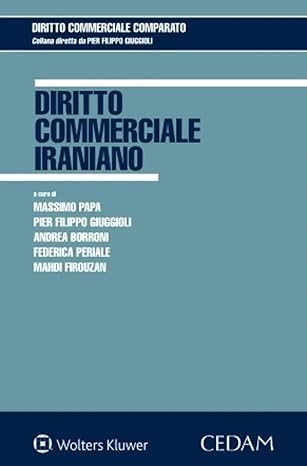
    Diritto Commerciale Iraniano (2023), Wolters Kluwer

    Editors: Borroni Andrea, Firouzan Mahdi, Giuggioli Pier Filippo, Papa Massimo, Periale Federica


    Descrizione

    Il centenario del primo Codice commerciale iraniano, l’approssimarsi della definitiva cessazione delle misure in materia di nucleare e l’auspicata riappropriazione da parte dell’Italia del ruolo di esportatore privilegiato rappresentano il contesto in cui è maturata la pubblicazione della prima opera sul diritto dell’impresa in Iran. Gli autori, quasi tutti accademici e professionisti iraniani, forniscono un panorama completo di un sistema, complesso e affascinante, che è partecipato sia dall’anima europea sia da quella islamica.

    Dettagli

    Autore: Pier Filippo Giuggioli

    Curatore: Andrea BorroniMahdi FirouzanMassimo Papa

    Editore: CEDAM

    Formato: EPUB2 con Adobe DRM

    Testo in italiano

    Cloud: Sì Scopri di più

    Compatibilità: Tutti i dispositivi (eccetto Kindle) Scopri di più

    Pagine della versione a stampa: 544 p.

    Layout: Reflowable

    EAN: 9788813384166


    • ۰
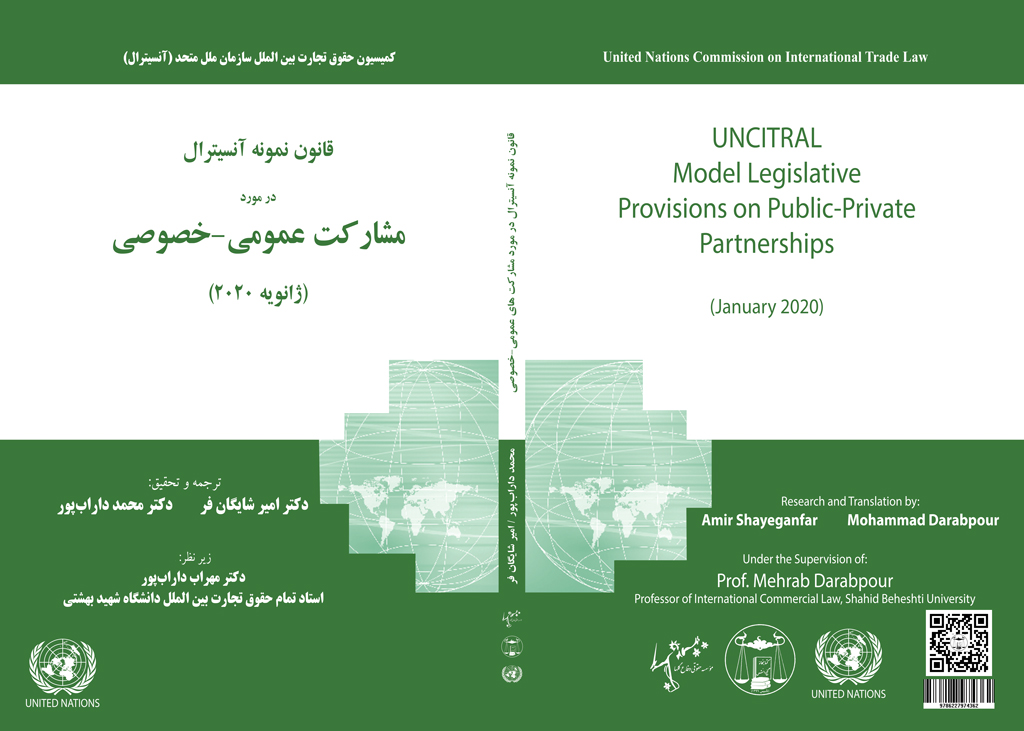
    قانون نمونه آنسیترال در مورد مشارکت عمومی خصوصی، تهران: انتشارات گنج دانش، چاپ نخست، (1402)

    قانون نمونه آنسیترال در مورد مشارکت عمومی – خصوصی (ژانویه 2020)

    ترجمه و تحقیق:
    دکتر محمد داراب‌پور / دکتر امیر شایگان فر


    مشخصات نشر:

    عنوان:قانون نمونه آنسیترال در مورد مشارکت عمومی-خصوصی (ژانویه 2020)
    مؤلفان:محمد داراب‌پور / امیر شایگان فر
    زیر نظر:دکتر مهراب داراب پور
    ناشر:انتشارات گنج دانش 
    لیتوگرافی:ترنج رایانه
    چاپ و صحافی:صدف
    نوبت چاپ:نخست – 1402
    شمارگان:500 جلد
    قیمت:90.000 تومان
    شابک:978-622-7974-36-2


    فهرست مختصر مطالب

    فهرست‌ها
    دیباچه
    1- مقدمه
    1-1- ماهیت قراردادهای مشارکت عمومی خصوصی
    1-2- سیر تطور تاریخی
    1-3- اشکال مختلف مشارکت بخش خصوصی در پروژه‌های PPP بر اساس تقسیم بندی آنسیترال
    2- ترجمه قانون نمونه آنسیترال درباره مشارکت‌های عمومی-خصوصی (ژانویه 2020)
    فصل نخست: مقررات عمومی
    فصل دوم: برنامه ریزی و آماده سازی پروژه
    فصل سوم: ارجاع قرارداد
    فصل چهارم: مفاد و اجرای قرارداد مشارکت
    فصل پنجم: مدت، تمدید و خاتمه قرارداد مشارکت
    فصل ششم: حل و فصل اختلافات
    3- متن انگلیسی قانون نمونه آنسیترال درباره مشارکت‌های عمومی-خصوصی (ژانویه 2020)
    Preface
    I. General provisions
    II. Project planning and preparation
    III. Contract award
    IV. Contents and implementation of the PPP contract
    V. Duration, extension and termination of the PPP contract
    VI. Settlement of disputes
    5- منابع مفید برای مطالعه در مورد مشارکت عمومی-خصوصی
    کتاب‌های دانشگاهی از همین نویسندگان


    قانون نمونه آنسیترال در مورد مشارکت عمومی خصوصی، تهران: انتشارات گنج دانش، چاپ نخست، (1402)
    قانون نمونه آنسیترال در مورد مشارکت عمومی خصوصی، تهران: انتشارات گنج دانش، چاپ نخست، (1402)

    • ۰

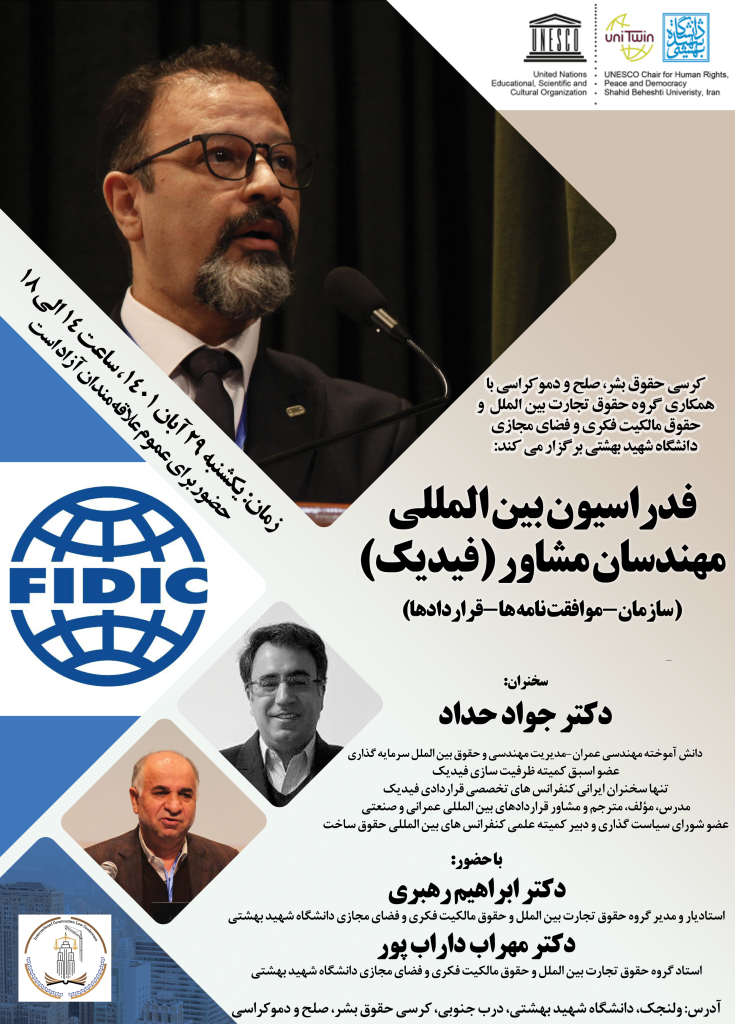
    همایش: فدراسیون بین المللی مهندسان مشاور (فیدیک)

    کرسی حقوق بشر، صلح و دموکراسی با همکاری گروه حقوق تجارت بین الملل و حقوق مالکیت فکری و فضای مجازی دانشگاه شهید بهشتی برگزار می کند:

    فدراسیون بین المللی مهندسان مشاور (فیدیک)

    (سازمان-موافقت نامه ها-قراردادها)

    سخنران:
    دکتر جواد حداد

    دانش آموخته مهندسی عمران-مدیریت مهندسی و حقوق بین الملل سرمایه گذاری
    عضو اسبق کمیته ظرفیت سازی فیدیک
    تنها سخنران ایرانی کنفرانس های تخصصی قراردادی فیدیک
    مدرس، مؤلف، مترجم و مشاور قراردادهای بین المللی عمرانی و صنعتی
    عضو شورای سیاست گذاری و دبیر کمیته علمی کنفرانس های بین المللی حقوق ساخت

    با حضور:
    دکتر ابراهیم رهبری
    استادیار و مدیر گروه حقوق تجارت بین الملل و حقوق مالکیت فکری و فضای مجازی دانشگاه شهید بهشتی
    دکتر مهراب داراب پور
    استاد گروه حقوق تجارت بین الملل و حقوق مالکیت فکری و فضای مجازی دانشگاه شهید بهشتی

    آدرس: ولنجک، دانشگاه شهید بهشتی، درب جنوبی، کرسی حقوق بشر، صلح و دموکراسی

    زمان: یکشنبه 29 آبان 1401، ساعت 14 الی 18
    حضور برای عموم علاقه مندان آزاد است


    • ۰

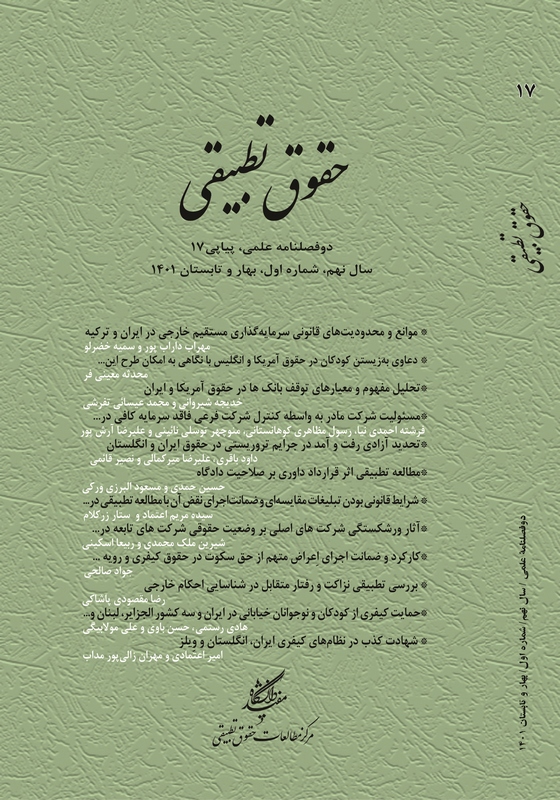
    موانع و محدودیت‌های قانونی سرمایه‌گذاری مستقیم خارجی در ایران و ترکیه، (1401)، دوفصلنامه حقوق تطبیقی، دانشگاه مفید

    نوع مقاله : مقاله پژوهشی

    نویسندگان

    1 استاد گروه حقوق تجارت بین الملل ، دانشکده حقوق، دانشگاه شهید بهشتی، تهران

    2 دانشجوی دکتری حقوق تجارت بین الملل، دانشگاه شهید بهشتی، تهران، ایران.

     10.22096/LAW.2022.86803.1257

    چکیده

    تسهیلات کارساز قانونی در سرمایه‌گذاری، رابطه‌ی مستقیم با رشد و توسعه‌ی اقتصادی دارد. نقش مثبت سرمایه‌گذاری خارجی در فرآیند رشد و توسعه‌ی اقتصادی را به آسانی نمی‌توان انکار کرد. نگاه اجمالی به کشورهای همسایه نشان می‌دهد که معمولاَ سرمایه‌گذاری خارجی منجربه توسعه‌ی اقتصادی فراوان شده است. به علت وجود موانع و محدودیت‌های مختلف، علیرغم افزایش 64 درصدی در سرمایه‌گذاری سال 2016، هنوز سرمایه‌گذاری مستقیم خارجی در ایران، در مقایسه با کشورهای همسایه از جمله ترکیه، به حد مطلوب نرسیده وبسیار کمتر ازظرفیت‌های موجودوامکانات بالقوه این کشور است.
    موانع مختلفی در راه سرمایه‌گذاری خارجی ازجمله موانع سیاسی امنیتی، اجتماعی، اقتصادی، فرهنگی وبه-ویژه قانونی وجود دارد. پژوهش حاضر، تمرکز بر عوامل قانونی دارد. در حقوق ایران، پذیرش سرمایه‌گذاری طبق قاعده‌ی کلی، منوط به گزینش و تأیید دولت بوده و به صورت استصوابی عمل می‌شود؛ در حالی کهدر ترکیه این پذیرش صرفاَ استطلاعی و نظارتی می‌باشد. در هر دو سیستم حقوقی استثنائاتی وجود دارد. دیگر اینکه در ترکیه حیطه فعالیت سرمایه‌گذاران گسترده بوده و برخلاف ایران، صنایع و معادن بزرگ و مادر، در انحصار ارگان‌های دولتی و نیمه‌دولتی نمی‌باشد. دخالت حداقلی قانونی در ترکیه و در مقابل گستردگی این گونه دخالتها در ایران، با وضع قوانین نسبتاَ نامطلوب و غیرشفاف استملاک اموال غیرمنقول، کارگری، مالیاتی و مسئولیت اجتماعی شرکت‌ها باعث شده است که سرمایه‌گذاران به ترکیه روی آورند و از ایران گریزان باشند.

    کلیدواژه‌ها

    عنوان مقاله [English]

    Legal impediments for foreign investments: A comparison of Iranian and Turkish Legal Systems

    چکیده [English]

    Legal regulations have direct effect on economic sustainable development. No one can cast a shadow of doubt on the fact that foreign investments have also got such an effect. Even though foreign investment in Iran has risen more than 64% last year; these kinds of investments have not yet reached a desirable level.
    There are several impediments for the foreign investments such as political, social, economic and cultural factors, In these two legal systems there are some legal effective factors which are as follow:
    A: In Iranian legal system, accepting foreign investment is at the discretion of the governmental authorities,
    B: The scope of the area of investment in Turkey is broader than Iran which, in turn, has got its own effect in each of these countries.
    C: The rules related to the real estates, contrary to the Turkish legal system, are more rigid and less clear in Iranian Law.
    D: The tax and labor laws in Turkey are more favorable towards investors than Iran.
    E: Social and Civil liabilities of the practicing companies in both countries are more or less the same. Turkey is a member of more conventions related to human rights and social affairs. These ratifications give Turkey a relative chance to attract more foreign investments.
    These are the reasons according to which the foreign investments decide to invest in a country or not. This article proposes systems by which one can reduce the impediments and simultaneously motivate the foreigners and other investors toinvest safely inboth countries.

    کلیدواژه‌ها [English]

    • Foreign investment
    • Governmental discretion
    • Labor law
    • Tax law
    • Economic growth
    • Sustainable development

    • ۰
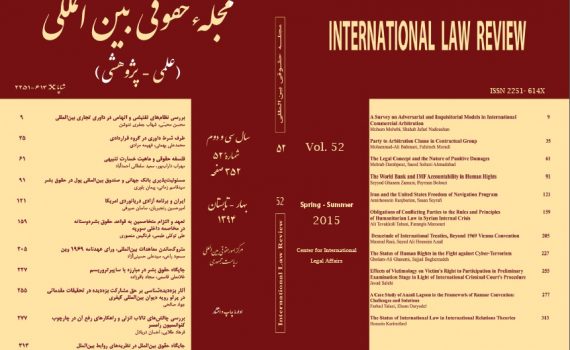
    فلسفه حقوقی و ماهیت خسارت تنبیهی

    اجرایی‌شدن آرای هیئت حل اختلاف فیدیک، نقطه عطفی برای کارآمدی اقتصادی پروژه‌ها و عدم توقف آن‌ها (با رویه سازی از رأی دادگاه سنگاپور در پرونده پرسُرو)، (1400)، مجله حقوقی بین المللی، ریاست جمهوری

    نوع مقاله : علمی پژوهشی

    نویسندگان

    1 استاد دانشکده حقوق دانشگاه شهید بهشتی

    2 دانشجوی دکتری حقوق نفت و گاز دانشکده حقوق دانشگاه شهید بهشتی 10.22066/CILAMAG.2021.112176.1753

    چکیده

    بروز اختلاف درزنجیره پیچیده قراردادهای پیمانکاری بین‌المللی بلندمدت که مستلزم هزینه‌های عظیم مالی و نیروی انسانی است، امری اجتناب ناپذیر است. مهم‌تر از آن، نحوه مواجهه با اختلافات و چگونگی حل و فصل آن‍هاست. سال­هاست که گرایش ویژه‌ای برای به‌کارگیری هیئت‌های تخصصی حل اختلاف در عرصه بین‌المللی وجود دارد. این هیئت‌ها در مواقع بروز اختلاف نسبت به آن تصمیم می­گیرند. این تصمیم مطابق مقررات فیدیک برای طرفین لازم‌الاجرا است. اما از آنجا که فیدیک هیچ سازکار اجرایی برای قصور از اجرای تصمیم هیئت پیش ­بینی نکرده، مسئله اجرای آن در هاله‌ای از ابهام قرار گرفته است. مدت­هاست دادگاه‌های ملی این نوع تصمیمات را به‌عنوان تعهد قراردادی تلقی کرده و به‌صورت جدی نسبت به آن اظهارنظر قضایی نکرده‌اند. اخیراً دادگاه بدوی و تجدیدنظر کشور سنگاپور با صدور آرای جنجالی، حکم به اجرای تصمیم غیرنهایی هیئت حل اختلاف فیدیک صادر نمودند. این آرا، روشن‌کننده نحوه تفسیر صحیح از شرط ارجاع به هیئت حل اختلاف فیدیک است و چنانچه به‌عنوان راهنمایی برای عملکرد دیگر محاکم قرار گیرد، راه را برای اجرای تصمیم هیئت حل اختلاف فیدیک باز خواهد کرد. سال‌هاست که مراجع داوری و دادگاه‌ها در بسیاری از کشورها با این چالش روبه‌رو هستند. این پژوهش در صدد پاسخ به این سؤالات است که اگر تصمیم لازم‌الاجرای غیرنهایی هیئت حل اختلاف بتواند در قالب دستور موقت داوری قابلیت اجرا پیدا کند، چرا نباید به طریق اولی، تصمیمات نهایی لازم‌الاجرا باشد؟ آیا نباید این تصمیمات در راستای کارآمدی اقتصادی و جلوگیری از توقف پروژه‌ها حسب مورد به مثابه رأی داوری یا دستور موقت داوری تلقی و قابل اجرا شود؟ و آخراینکه در صورت استنکاف از اجرای این تصمیم‌ها ضمانت اجرای آن کدام ­اند؟

    کلیدواژه‌ها

    عنوان مقاله [English]

    Focusing on Financial Efficiency of Projects through Enforceability of FIDIC Dispute Adjudication Board Decisions with Special Respect to Singapore Trend in PERSERO Case

    نویسندگان [English]

    • mehrab darabpour 1 
    • Elham Anisi 2

    1 Professor of International Business Law, Faculty of Law, Shahid Beheshti University
    2 PhD Student in Oil and Gas Law, Shahid Beheshti University

    چکیده [English]

    Disputes are inseparable part of complicated cycles of international long-term construction contracts which deal with huge financial and human resources. How to deal with disputes and settle them is more crucial. A new trend in applying the specialized dispute boards for settlement of the disputes has emerged in international construction contracts in recent years. In times of disputes, these boards decide that the issued decision is binding on the parties based on FIDIC Conditions. However, there is no enforcement mechanism when failure to comply with such a decision occurs, and the procedure thereof is also unclear. These kinds of decisions are mostly regarded as contractual obligations and there is not enough supporting judicial opinion to uphold them seriously. Recently, the High Court and the Court of Appeal in Singapore have enforced binding but not final Dispute Adjudication Board (DAB) decisions. In Singapore, these judicial awards make it clear how the term of reference to DAB could be interpreted. The procedure might be a useful guideline for other courts and arbitral tribunals which are dealing with the enforcement of DAB decisions in different countries as a challenging issue. This study tries to uphold the view that since the binding but not final DAB Decisions could be enforced through the interim awards by a court, a fortiori, the binding and final ones could be regarded as arbitral awards and enforced as final arbitral awards. It is also argued that recognition and enforcement of FIDIC DAB decisions could to some useful extent guarantee the cash flow and financial efficiency of construction projects. Finally, the guarantees for the failure in the enforcement of decisions are debated.

    کلیدواژه‌ها [English]

    • Dispute Adjudication Board 
    • FIDIC 
    • Binding and Final Decisions 
    • Enforcement of Decisions 
    • Singapore Courts 
    • Jurisdiction 
    • PERSERO Case

    کجای سایت هستم:

    جستجو:

    سوالات متداول

    بهترین راه برای خرید کتاب، مراجعه به سایت انتشاراتی است که آن کتاب را چاپ کرده است. از طریق خرید آنلاین می توان هم در وقت و هم در هزینه صرفه جویی کرد.
    فقط روز های زوج ساعت 4 تا 7 با هماهنگی قبلی
    تهران، خیابان ظفر، خیابان آرش شرقی، نبش خیابان عمرانی، پلاک 61، ساختمان آرش، طبقه دوم، واحد 4. تماس: 22220230

    دسته ها:

    آخرین مطالب نوشته شده:

    یک بیت شعر

    به یمن دولت منصور شاهی
    علم شد حافظ اندر نظم اشعار
    «حافظ»

    صفحات با بیشترین بازدید: